
by Adam Marnell, 2024/25 student
For this research project the journey I undertook researching was both as enjoyable as it was challenging. What I thought would be the easiest thing to research, military history, turned out to be one of the most difficult things. This is for several reasons. I will use the military service record of Pat Armstrong to demonstrate as an example. Beginning my research, I thought that getting his full military service record would be just a simple google search away and I was wrong. I searched the A-Z database on the Glucksman Library website and clicked the link to use the library edition of the Ancestry website. From here, I found the search bar for the military service records, typed in his known details. While a source of his service record showed up, it was under a paywall on another website ran by Ancestry.
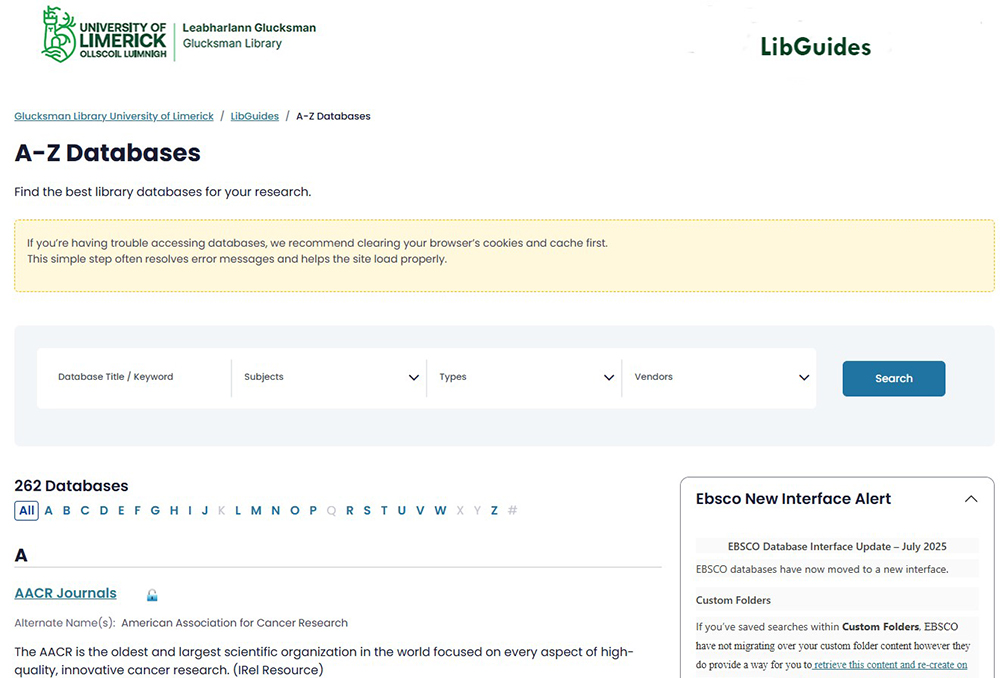
I then tried to search the Imperial War Museum, to no avail. My next thought was to check the UK Nation Archives website, and while a search turned up results, I was unlucky in that Pat’s records have not been digitised yet and are only available to view in person in the archives located in Kew. Facing a wall, I did some more research and remembered a source that I have used in my final year project, the De Ruvigny Roll of Honour, a source that compiles small biographies of the soldiers in the British Army that lost their lives in the First World War. This source is available to view on the library edition of the Ancestry site, and so I was able to go to the roll and view a short summary of his service, giving me a good source of information on where Pat served, how he lost his life, and where he was buried.

Another issue I ran into quite often was finding dates for births and deaths. Often it was difficult if not impossible to locate birth and death certs. I got around this using thepeerage.com, and through researching local newspapers, which sometimes had death notices which I could cross reference to make sure my information was correct. A time an example of this issue was encountered a resolved was the dates for Jess Kemmis’ life. Everywhere I looked, I could not find an exact date for her passing. The Peerage gave an exact year for her death, so I sourced to the national newspapers archive’s online database, looking at the Tipperary Star newspaper, and searched for the surname Kemmis, where I found an exact date and location for where she is buried.

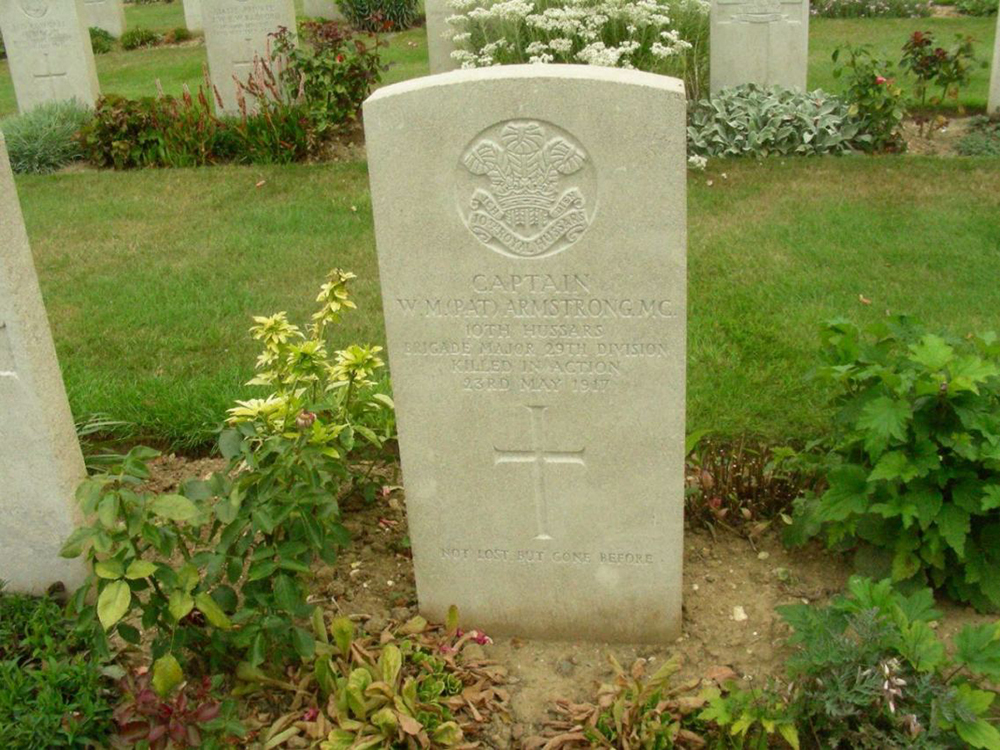
On the topic of graves, another way in which I was able to research and confirm dates was by looking at headstones. I was able to do this on both the library edition of ancestry.com a website called findagrave.com, which allows the user to type a name into the search engine and often an image of their headstone will appear listing information about themselves, such as the dates they lived, names of spouses and children, etc. The headstones of military men can be found on the Commonwealth War Graves Commission website. Looking at headstones is a good source as they are clear and concise, and add a humanising aspect to carrying out research, showing to the researcher that they are in fact researching the lives of people who have gone before and did not exist only on paper.
One person in particular that was difficult to track down information about was Charles Benjamin ‘Percy’ Wilson. While there were English census records available to view that detailed his age, parents, and place of birth, the information available about his military service was very hard to find. I able to view his rank and who was assigned with in a later census, but that was about it. I found more information about him from the small bit of information written about his son John Malcolm Hammersly Wilson, who died in Libya during WW2. It was here from the Commonwealth War Graves Commission I was able to find he even had a son and find the rank that he held when retired from service. I was unable to find much accurate data about his wife Janet, other than a year of birth and that she was from Norfolk. I was also unable to find information about the doctor Col. Lindsay that De Lisle said attended to Pat, or any mention of the ‘Papit Pierre’ that Percy mention in his second letter. 1)
Please note all student submissions have been edited where necessary for accuracy and clarity.
- https://www.jstor.org/stable/43698006) (31.11.24[↩]

You must be logged in to post a comment.